

Aesthetic medicine · Cape Town
Microneedling
Rebuilding collagen from within
From R1 50060 min
What it is
Microneedling uses a medical device with very fine, sterile needles to create thousands of microscopic channels in the skin. Each one is a controlled injury too small to damage the surface, but significant enough to trigger the skin's wound-healing response — and with it, a fresh production of collagen and elastin.
Because the improvement is built by your own tissue rather than added from a syringe, results appear gradually and continue developing for several months. It is one of the most reliable treatments available for acne scarring and general skin quality.
Who it’s for
Patients with acne scarring, enlarged pores, uneven texture, fine lines or early laxity who want genuine structural improvement rather than a surface polish.
It suits all skin tones, including deeper Fitzpatrick types, because it creates no heat and carries a much lower pigmentation risk than laser resurfacing.
The benefits
- Softens acne scarring and indented texture
- Refines enlarged pores
- Improves fine lines and early skin laxity
- Builds your own collagen — no filler, no heat
- Safe across all skin tones
- Improves absorption of active skincare
What to expect
The process
Every appointment follows the same considered sequence, so you always know what is coming next.

Step 1
Consultation and skin assessment
Dr Allison examines your skin, discusses your concerns and confirms microneedling is the right tool for them. Needle depth, the number of passes and how many sessions you'll realistically need are all agreed upfront.
Step 2
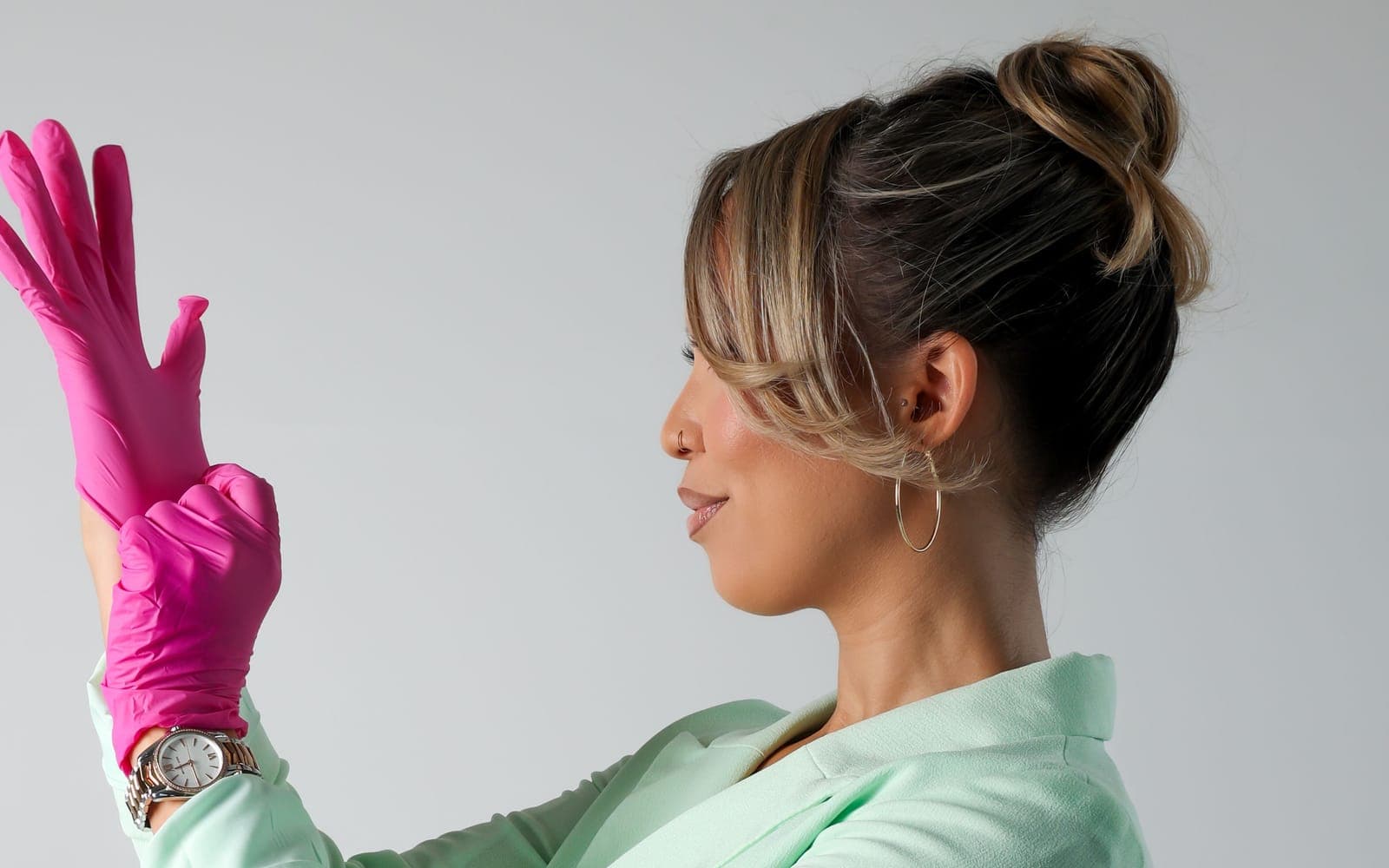
Cleanse and numb
Skin is double-cleansed and a topical anaesthetic is applied for around thirty minutes. This is what makes the treatment genuinely comfortable, so it is given proper time to work.
Step 3
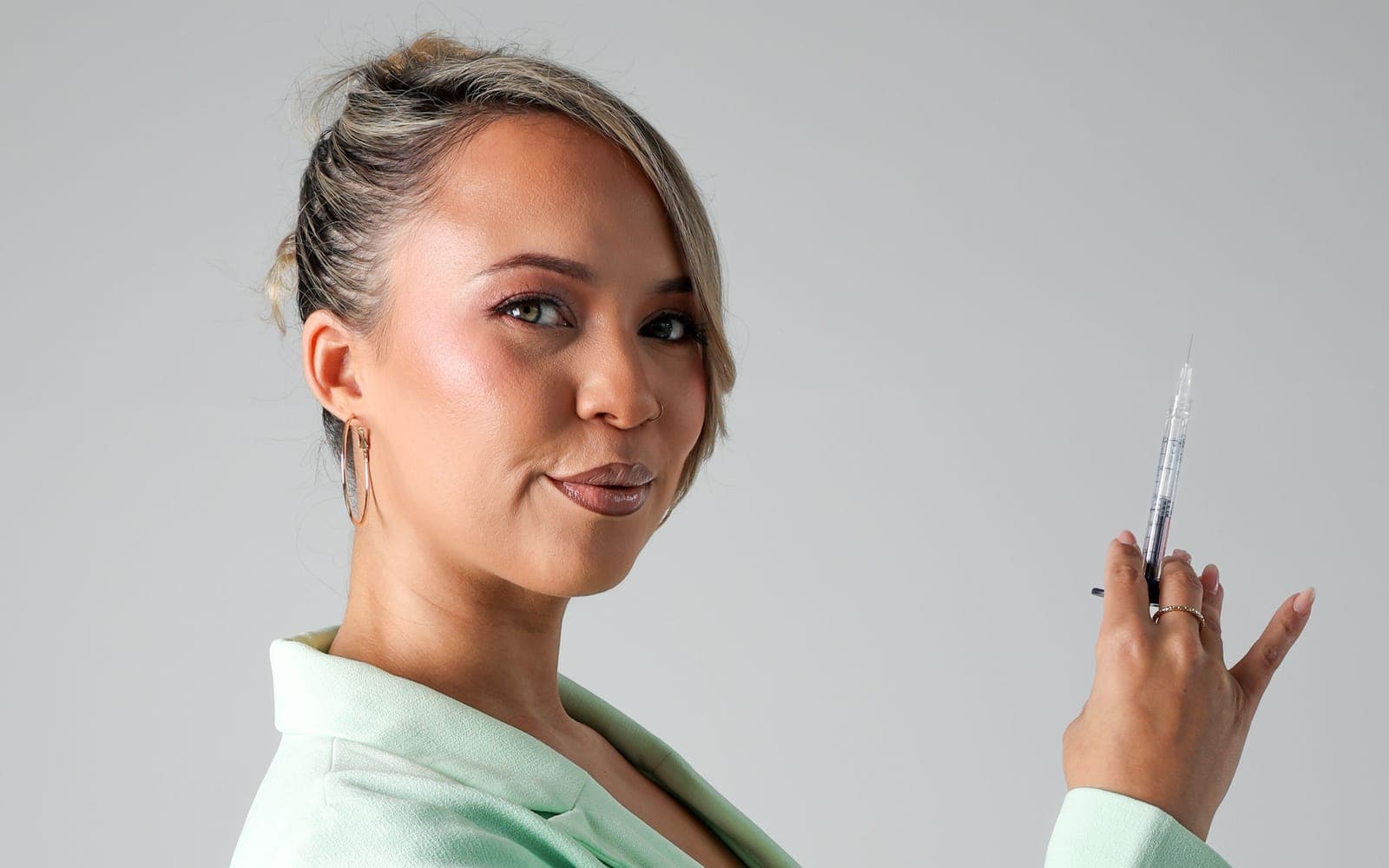
Microneedling
The device is passed across the skin in a set pattern, with depth adjusted region by region — shallower over the forehead and around the eyes, deeper over scarred areas. A sterile single-use cartridge is used for every patient.
Step 4
Soothe and protect
A calming serum and barrier cream go on immediately afterwards. Skin will look flushed, similar to moderate sunburn, for twenty-four to forty-eight hours. You'll go home with aftercare, sunscreen guidance and a list of what to avoid.

Step 5
Course and review
Sessions are spaced four to six weeks apart, with three to six typically needed depending on your concern. Collagen continues remodelling for up to six months, so results are reviewed against photographs taken at your first visit.
Downtime & aftercare
What to plan for
- Downtime
- 24–48 hours of redness
- Results visible in
- 4–6 weeks
- Results last
- 12+ months with a course
You are welcome to contact the practice at any point if something doesn’t look or feel as expected. Individual responses vary — what to expect for your skin is discussed at your consultation.
Pricing
| Treatment | Duration | From |
|---|---|---|
| Standard Microneedling (face) | 60 min | R1 500 |
| Course of three (face) | 60 min each | R3 500 |
Prices are a guide and start from the amounts shown. Final pricing depends on the product and quantity your treatment plan calls for, and is confirmed at your consultation before anything goes ahead.
Good to know
Frequently asked questions
The questions patients ask most often about microneedling. If yours isn't here, ask us on WhatsApp — we're happy to answer before you book.
A treatment using a medical device with fine sterile needles to create thousands of microscopic channels in the skin, prompting a natural healing response that produces new collagen and elastin. It is also called collagen induction therapy.
Each micro-channel triggers the skin's repair cascade — inflammation, then proliferation, then remodelling. Over the following weeks, fibroblasts lay down new collagen, which is what fills out indented scarring and thickens thin, crepey skin.
With thirty minutes of topical anaesthetic, most patients find it very manageable — a vibrating, scratchy sensation rather than pain. Bonier areas such as the forehead and jawline are more sensitive than the cheeks.
For general skin quality, three sessions four to six weeks apart is a typical starting point. Acne scarring usually needs four to six. Dr Allison will give you an honest number at consultation rather than selling a single session.
Skin looks brighter within a week, but the real change is collagen-driven and takes time. Expect visible improvement at four to six weeks after each session, with the full effect of a course apparent around three to six months in.
The new collagen is your own, so improvement is durable — commonly a year or more after a full course. Skin continues to age, so most patients return for a maintenance session every six to twelve months.
Yes. Because microneedling uses no heat and no light, it carries a considerably lower risk of post-inflammatory hyperpigmentation than laser resurfacing, which makes it one of the better options for deeper skin types.
Expect redness like moderate sunburn for twenty-four to forty-eight hours, sometimes with mild swelling on day one and light flaking around day three. Make-up is avoided for twenty-four hours and sun exposure for a week.
Explore further
You might also consider

SkinBooster / Microneedling Combo
Microneedling paired with injectable skin boosters — microdroplets of skin-rejuvenating ingredients placed just beneath the surface.
From R3 35060 min
Chemical Peels
Medical-grade peels tailored to your skin type to treat pigmentation, congestion, texture and dullness.
From R75060 min
Skin Boosters
Micro-injections of hyaluronic acid that hydrate, firm and add glow without changing your shape.
From R1 25030–45 min
Ready when you are
Considering microneedling?
Book a consultation and we'll talk it through properly — what it can realistically achieve for you, what it will cost, and whether it's the right treatment at all.